
sales@brightlx.com

Views: 0 Author: Elena Publish Time: 2026-07-28 Origin: Site


In the world of Surface Mount Technology (SMT), few components are as critical as solder paste. While components like capacitors, resistors, and ICs often take the spotlight, it is the solder paste that acts as the fundamental binding agent, creating the electrical and mechanical connections that bring a Printed Circuit Board (PCB) to life.
What is Solder Paste?
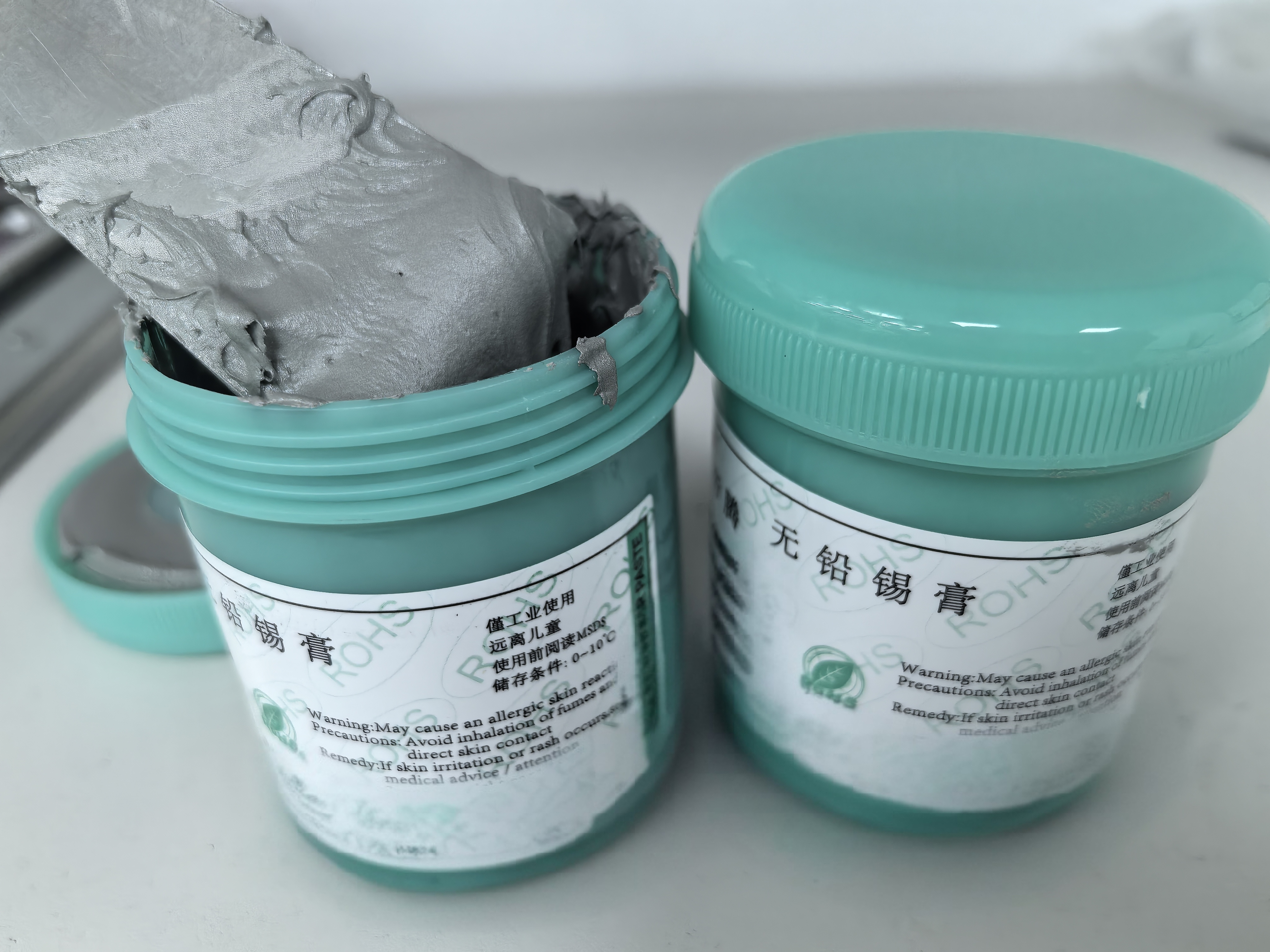
Simply put, solder paste is a complex mixture of tiny metal solder particles suspended in a flux medium. It has a putty-like consistency and is typically grey in color. In the PCB assembly process, it serves two main purposes:
1. Adhesion: It holds the components in place on the board before soldering.
2. Connection: During the reflow soldering process, the metal particles melt, forming a permanent electrical and mechanical bond between the component leads and the PCB pads.
The Composition: Metal Powder and Flux
To understand how solder paste works, we must look at its two main ingredients:
Solder Powder (Metal Alloy): This is the actual metal that melts and forms the joint. In the past, lead-based alloys (Sn63/Pb37) were standard. Today, due to environmental regulations like RoHS, Lead-Free Alloys (typically Tin, Silver, and Copper, known as SAC) are the industry standard. The particle size of this powder is crucial, with Type 3, 4, and 5 being common classifications for different fine-pitch components.
Flux Vehicle: The flux is the chemical “glue” that holds the metal powder. It is not just a filler; it performs critical tasks:
It removes oxidation from the metal surfaces.
It improves wetting (how well the solder spreads).
It controls the viscosity for precise printing.
Types of Solder Paste
Choosing the right type of solder paste is a decision based on the specific application and environmental requirements:
Leaded vs. Lead-Free: As mentioned, lead-free pastes are now dominant in consumer electronics, while leaded paste is still used in high-reliability or aerospace applications where exempt.
No-Clean vs. Water-Soluble: “No-Clean” pastes leave a benign residue that does not need to be removed, saving cost and time. “Water-Soluble” pastes require cleaning after soldering but are preferred for applications where flux residue could interfere with high-frequency signals.
The Application Process
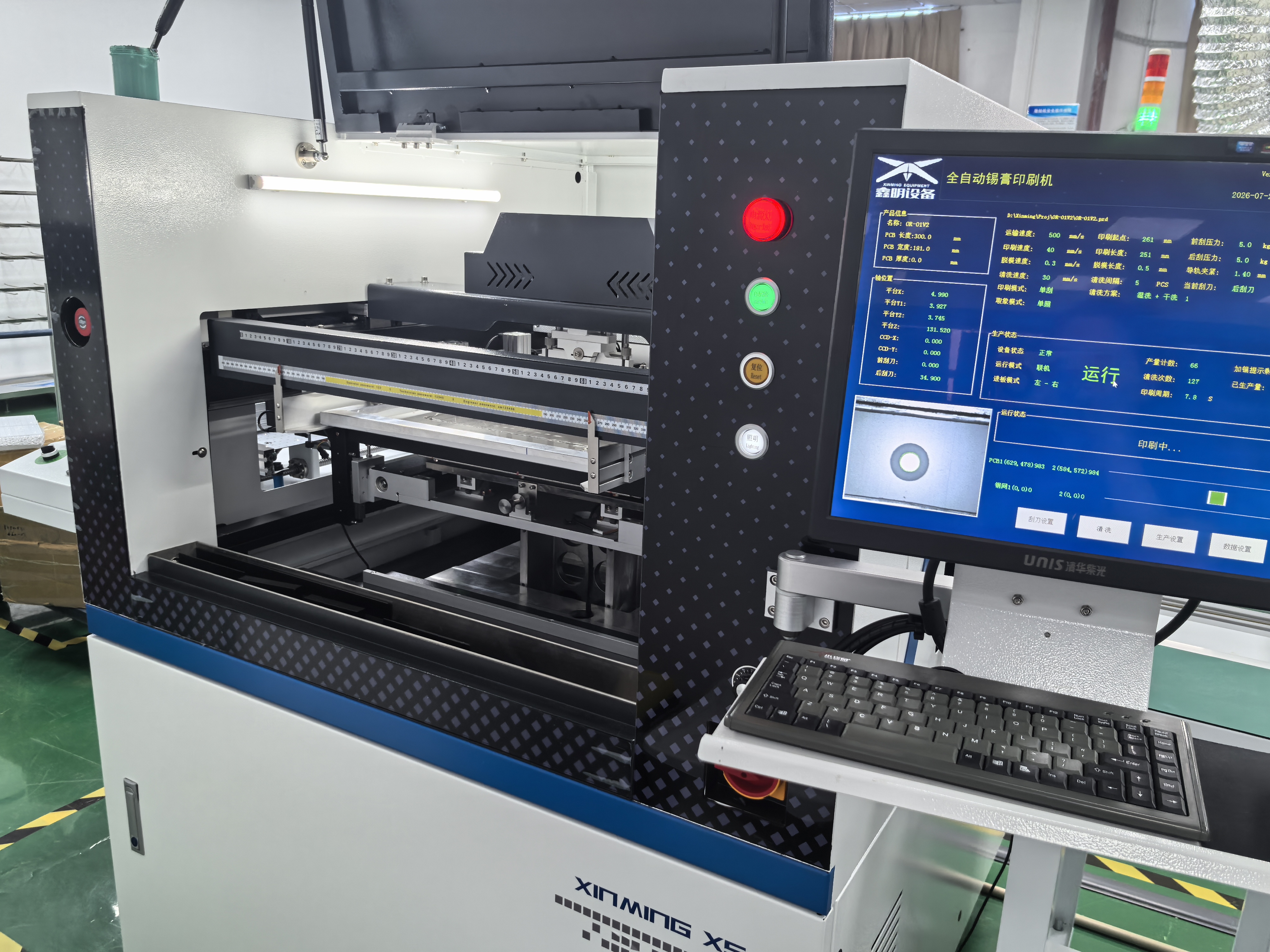
Solder paste application is one of the most delicate steps in the SMT line. It is typically applied using a Stencil Printer:
A stainless-steel stencil with laser-cut apertures is aligned over the bare PCB.
A squeegee blade moves across the stencil, forcing the paste through the holes onto the PCB pads.
The board is then ready for the pick-and-place machine to mount the components.
Precision is key here. Too much paste can cause short circuits (bridging), while too little can lead to dry joints or open circuits.
Storage and Handling: The Golden Rules
Solder paste is sensitive. Improper handling can ruin an entire batch of PCBs. Here are the golden rules we follow at BRIGHTLX:
Refrigeration: Solder paste must be stored in a refrigerator (typically around 2°C to 10°C) to prevent the flux from reacting with the metal powder.
Warm-Up: It must be brought to room temperature naturally before use. “forcing” it with a heater can cause condensation, leading to solder defects like solder balls during reflow.
Life Span: Once opened, the paste has a limited working life. Using expired paste is a common cause of poor solderability.
Conclusion
Solder paste is much more than just “grey glue”. It is a highly engineered material that dictates the reliability of the final electronic product. From its chemical composition to its storage, every detail matters in the PCBA process.
At BRIGHTLX, we understand these details. We maintain strict controls on material selection and process management to ensure your PCBs meet the highest quality standards. Contact us today to discuss your assembly needs.


